
Buying a Home With Mold? What You Need to Know
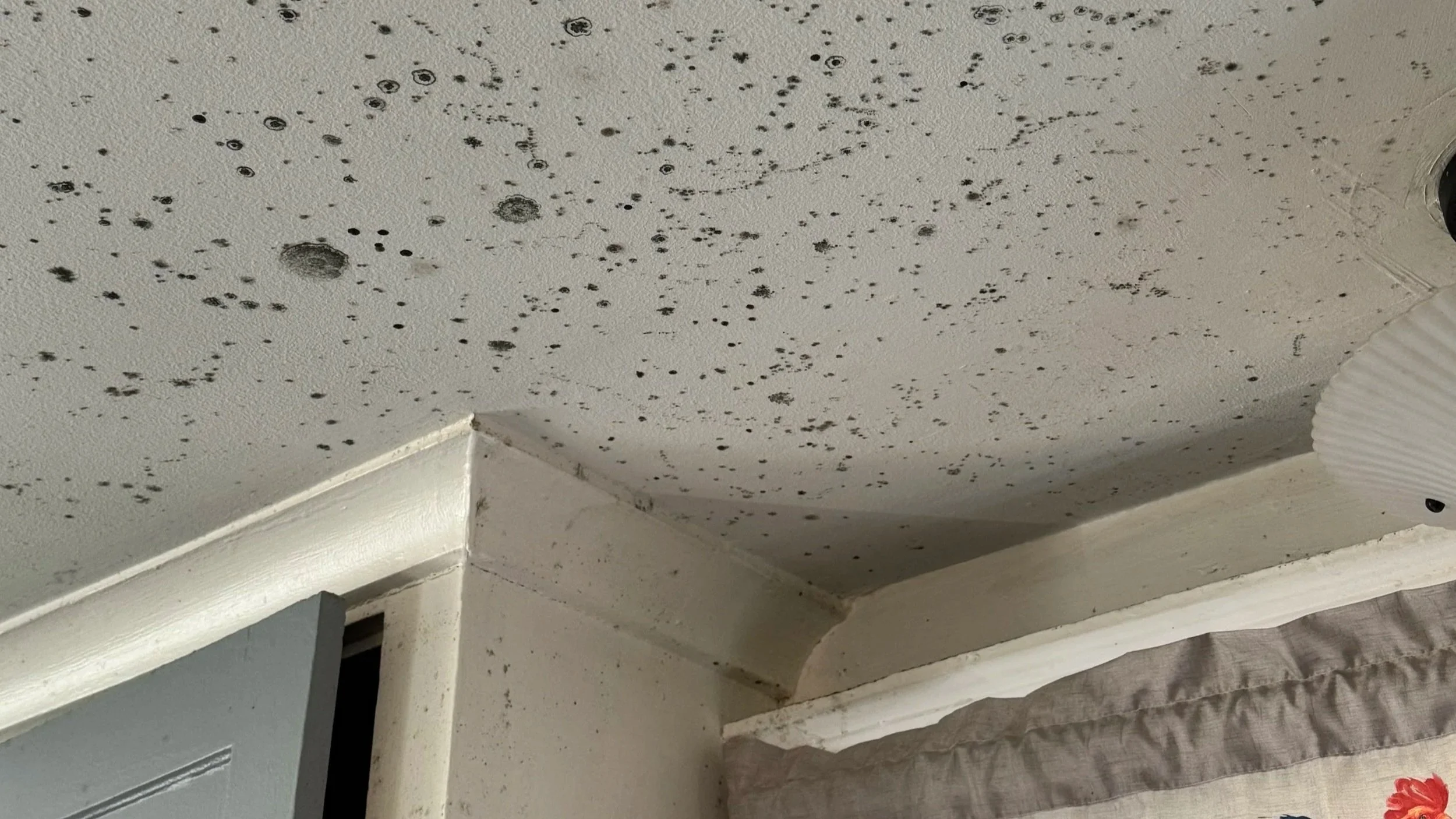
Finding the perfect home can feel like everything is finally falling into place. That is exactly how it felt for a young couple who had been searching for months before discovering a charming old farmhouse tucked away on a quiet piece of land. It had character, history, and the kind of space they had always wanted.
Everything seemed right, until the inspection report came back.
Along with notes about minor repairs and aging materials, there was one major concern: mold.
Suddenly, their dream home felt uncertain. The question became clear, should they move forward, or walk away?
If you ever find yourself in a similar situation, here is how to think through your next steps.
Step One: Do Not Panic, Get the Full Picture
Mold sounds alarming, but not all mold situations are the same. Some cases are minor and manageable, while others point to larger moisture issues that can be costly to fix.
The first step is to understand what you are dealing with. A general home inspection may identify suspicious areas, but it does not always tell the full story. This is where professional mold testing and inspection come in.
A qualified mold specialist can determine:
The type of mold present
The extent of the contamination
Where the moisture is coming from
Whether the issue is active or from past conditions
For the couple, this step helped shift the situation from fear to facts.
Step Two: Identify the Source of Moisture
Mold does not grow without moisture. In older farmhouses, especially, common causes include:
Roof leaks or past storm damage
Poor attic ventilation traps heat and humidity
Basement dampness or foundation cracks
Plumbing leaks behind walls or under floors
Improperly vented bathrooms or kitchens
Understanding the source is critical. If the moisture problem is not fixed, the mold will return, even after removal.
This is where working with a professional team like Break The Mold makes a difference. It is not just about removing mold. It is about solving the underlying issue so your home stays safe long term.
Step Three: Get a Remediation Plan and Estimate
Once the problem is fully assessed, the next step is determining what it will take to fix it.
A proper remediation plan should outline:
Areas affected and level of contamination
Containment procedures to prevent spread
Safe removal and cleaning methods
Repairs needed to prevent future growth
For some homes, remediation may be straightforward and relatively affordable. For others, especially older homes with hidden damage, costs can be higher.
This is a turning point for many buyers.
Step Four: Negotiate or Reconsider
At this stage, the couple had options, and so do you.
If the mold issue is manageable:
You may negotiate with the seller to cover remediation costs
Request that repairs be completed before closing
Ask for a price reduction to handle the work yourself
If the issue is extensive:
It may signal deeper structural or moisture problems
Costs could exceed your comfort level
Walking away may be the smarter long-term decision
There is no one-size-fits-all answer. It comes down to your budget, risk tolerance, and how much you love the home.
Step Five: Think Long Term
A home is more than a purchase, it is an investment in your health and future.
Mold can affect indoor air quality and lead to ongoing issues if not properly addressed. That is why cutting corners is never worth it. Whether you move forward or not, the key is making an informed decision.
Final Thoughts
For this couple, the farmhouse still had potential, but only after understanding the scope of the problem and what it would take to fix it. With the right information and expert guidance, they were able to make a confident decision.
If you are facing a similar situation, Break The Mold is here to help you evaluate the problem, identify the cause, and guide you toward the best next step, whether that means restoring the home or helping you avoid a costly mistake.
Because sometimes, peace of mind is just as important as finding the perfect home.