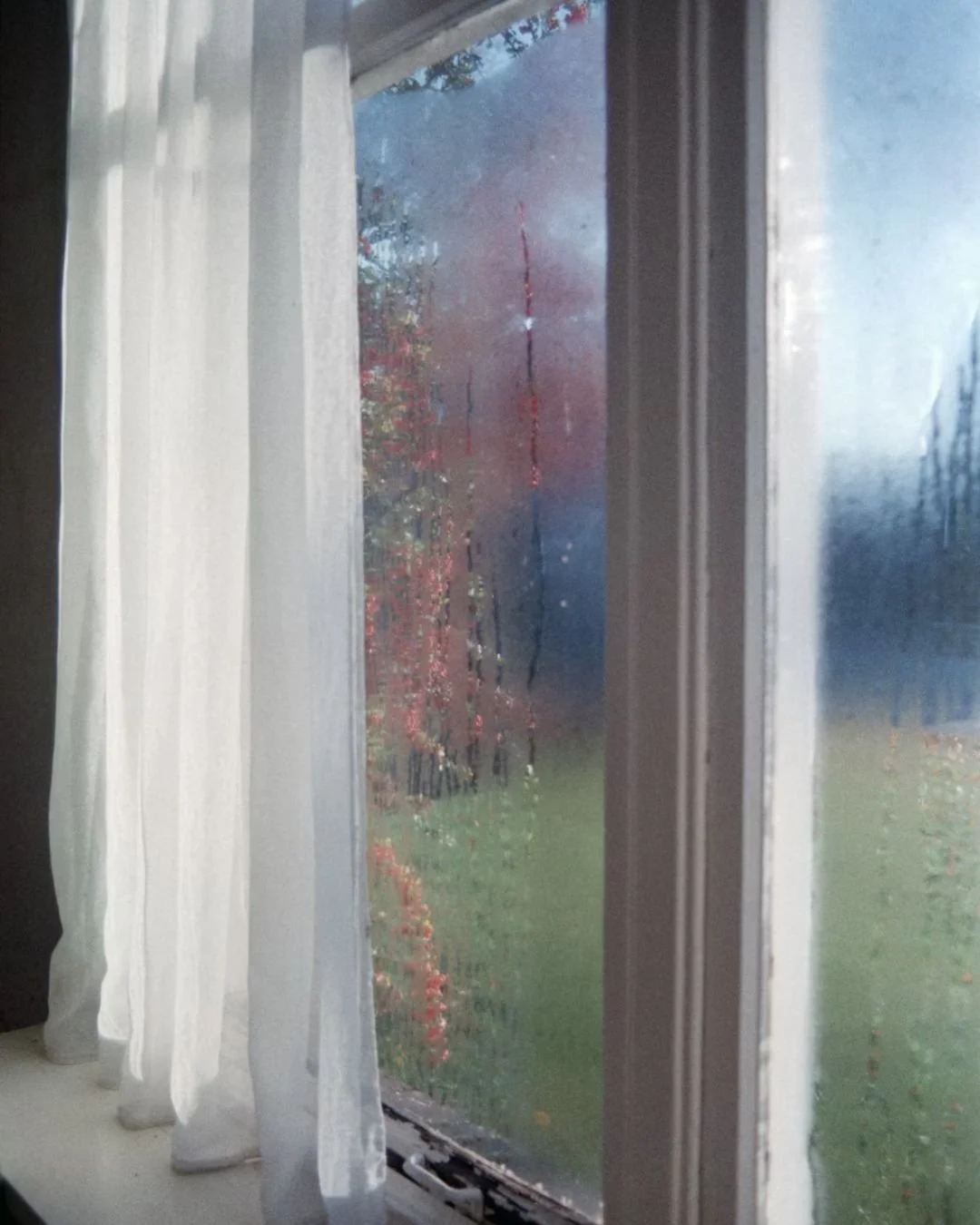
Mold is a common problem in many homes. It can cause foul odors, damage to walls, and even health problems for people living inside. One of the best ways to slow or prevent mold growth is to let in cold, dry outdoor air. It might sound simple, but fresh air from outside plays a big role in keeping your home healthy and mold-free.
Mold loves warm, damp areas. When the air inside your home is moist, it creates the perfect environment for mold spores to settle and grow. Bathrooms, kitchens, basements, and laundry rooms are especially at risk because they often have higher moisture levels. If you keep your windows closed all the time, your home can become trapped with this moist air. That is why bringing in fresh air from outside matters so much.
Cold, dry outside air works in two important ways. First, it can lower the humidity inside your house. Outdoor air, especially in cold seasons, tends to be drier than indoor air. When you let that air in, it mixes with the humid air inside. This lowers the overall humidity level. Lower humidity makes it harder for mold to grow, as it needs moisture to survive.
Second, outside air helps improve air circulation. Stagnant air inside your home does not move, allowing moisture to build up in corners, closets, and behind furniture. Good air movement helps keep these areas dry. When you open a window or run a ventilation fan, you help move the air around. This movement keeps the air from settling and prevents moisture from settling on walls, floors, and ceilings.
You might wonder if bringing in cold air will make your home uncomfortable. It may feel cooler at first, but you can control how much outside air you let in by opening windows for only short periods. For example, opening a few windows for fifteen to thirty minutes each day can make a big difference without making your home too cold. You can also open windows in rooms that tend to be more humid, like bathrooms and kitchens, after showers or cooking.
Another way to bring in dry outside air is to use your heating, ventilation, and air conditioning system. Many modern systems have fresh-air intakes that bring in outside air while filtering out dust, pollen, and other particles. This helps you get the benefits of outside air without letting in too much cold air at once.
It is also important to know that a healthy level of humidity inside your home is not zero. Very dry air can irritate skin and lungs, especially for young children and older adults. The ideal relative humidity level in your home is between 35% and 60%. You can use a simple humidity meter to check your home's humidity and adjust how much outside air you let in accordingly.
Keeping your home mold-free is more than just cleaning visible mold spots. You need to control the conditions that allow mold to grow in the first place. Bringing in cold, dry outside air is a natural way to control moisture. Along with proper ventilation, dehumidifiers, and regular cleaning, you can create an environment that does not encourage mold growth.
In summary, letting in cold, dry outside air helps prevent mold by lowering humidity and improving air movement inside your home. It is a simple, effective strategy that works naturally with your home environment. If you struggle with mold growth, taking steps to increase fresh air and reduce moisture can make your home healthier and more comfortable for you and your family.